Important: Industries and commercial establishments generating wastewater, emissions or hazardous waste must obtain consent from the Maharashtra Pollution Control Board (MPCB) before starting operations. Proper documentation is the most important part of the approval process, as incomplete or incorrect documents often result in queries or application rejection.
What is MPCB Consent?
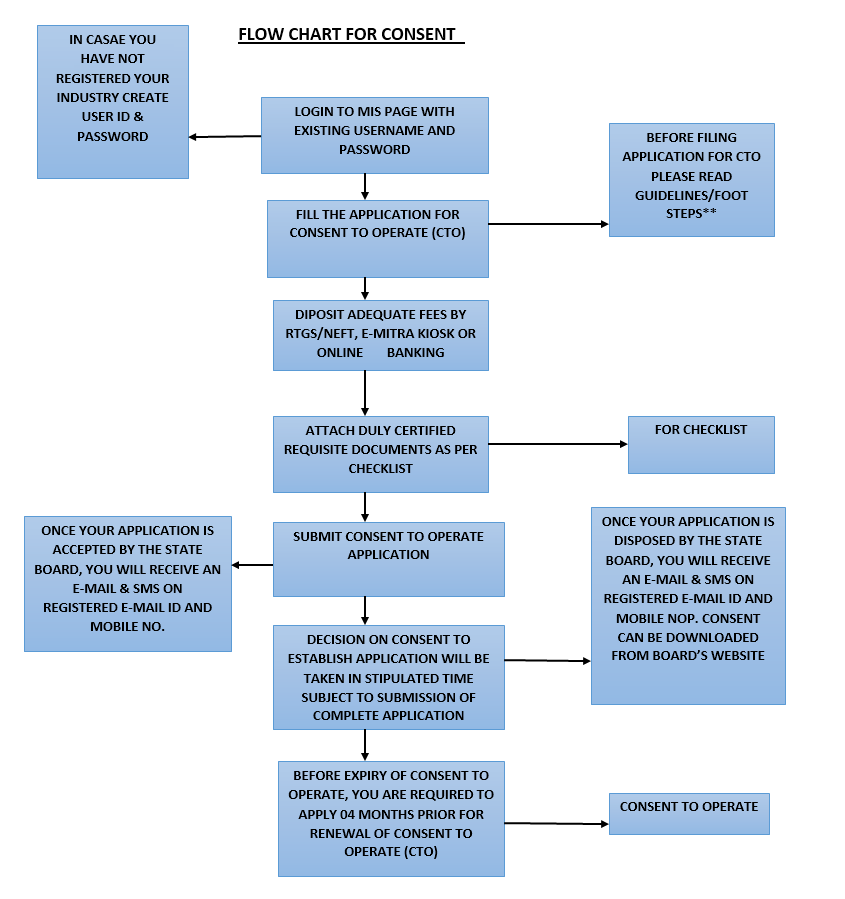
MPCB consent is mandatory approval required for industries that may impact the environment. The approval is issued in two stages:
🏗️ Consent to Establish (CTE)
- Required before installing machinery or starting construction
- Must be obtained prior to any physical setup of the unit
- Valid for the construction/installation period
⚙️ Consent to Operate (CTO)
- Required after installation and before commencing production
- Issued only after successful inspection of installed systems
- Must be renewed periodically as per schedule
⚠️ Legal Warning
- Operating without consent may lead to penalties
- Closure directions can be issued by authorities
- Legal action may be taken against non-compliant units
Who Needs MPCB Consent?
The following types of establishments must obtain MPCB consent:
🏭 Industries Requiring Consent
- Manufacturing industries of all scales
- Workshops and fabrication units
- Warehouses storing chemicals or hazardous materials
- Hotels generating significant sewage
- Hospitals and healthcare facilities
- Units producing air emissions or hazardous waste
- Any unit with DG sets, boilers, or furnaces
Company & Site Documents
These documents establish the legal existence and location of your business:
📄 Essential Company Documents
- Company registration certificate (GST, Udyam, or incorporation)
- PAN card of company or proprietor
- Factory ownership proof or rent/lease agreement
- Latest electricity bill in company name
- Detailed factory layout plan with dimensions
Manufacturing Details
Complete information about your manufacturing process is essential for approval:
⚙️ Production Documentation
- Detailed manufacturing process description
- Comprehensive list of raw materials used
- List of finished products with specifications
- Production capacity details (daily/monthly)
- Number of workers and working hours
- Process flow diagram (see sample below)
📊 Sample Process Flow Chart
Sample process flow diagram showing manufacturing stages from raw materials to finished products
Water & Effluent Details
Water management documentation is crucial for environmental compliance:
💧 Water Management Documents
- Water consumption details (source and quantity)
- Wastewater generation quantity estimates
- Effluent Treatment Plant (ETP) details (if applicable)
- STP details for sewage treatment (if applicable)
- Detailed water balance diagram
- Effluent analysis report from authorized lab
Air Pollution Details
Air emission control measures must be clearly documented:
🌬️ Air Emission Documentation
- Air emission sources identification
- Air pollution control equipment details (scrubber, dust collector, bag filter, etc.)
- Stack height details and emissions calculations
- Fuel consumption details and specifications
- Air monitoring reports from authorized lab
Compliance & Environmental Documents
Additional documents for hazardous waste and environmental management:
♻️ Environmental Compliance
- Hazardous waste generation details (category-wise)
- Authorization details (if applicable)
- Environmental management plan (EMP)
- Previous consent copy (for renewal cases)
- Solid waste management plan
- Oil and grease trap details (if applicable)
Official CTO/Renewal Document Checklist
Official list of documents required specifically for Consent to Operate (CTO) and Renewal applications:
💡 Important Notes
- All documents on company letterhead must be signed and stamped
- Analysis reports must be from JVS (Joint Venture Scheme) and MOEF approved laboratories only
- CHWTSD membership is mandatory for hazardous waste generating units
- Ensure all calculations (water budget, material balance) are accurate and verifiable
📄 Sample Format: Certificate from Chartered Accountant

Sample format for Capital Investment Certificate required from Chartered Accountant (CA) for MPCB CTO/Renewal applications
Why Proper Documentation is Important
Incorrect documentation is one of the most common reasons for delay in MPCB approvals. Queries are raised when:
Common Documentation Issues
- Manufacturing process description is unclear or incomplete
- Pollution load is not properly explained or calculated
- Layout plan is incomplete or not to scale
- Treatment system details are missing
- Water balance figures don't match
- Raw material quantities are inconsistent
Preparing proper documents before application significantly reduces approval time and minimizes the chances of queries being raised.
Common Reasons for Application Rejection
Applications are frequently delayed or rejected due to the following reasons:
Reasons for Rejection
- Incorrect or vague manufacturing process description
- Missing or improper layout plan
- Inadequate pollution control system details
- Mismatch in water consumption and wastewater generation data
- Incomplete raw material or product list
- Missing environmental clearance (if required)
- Non-compliance with zoning regulations
Need Help with MPCB Documentation?
Our experts can prepare all required documents and handle your entire application process. Get hassle-free approval for your industry.
📞 Call +91-7977161299 💬 WhatsApp Us